Back to drinks

Cocktail

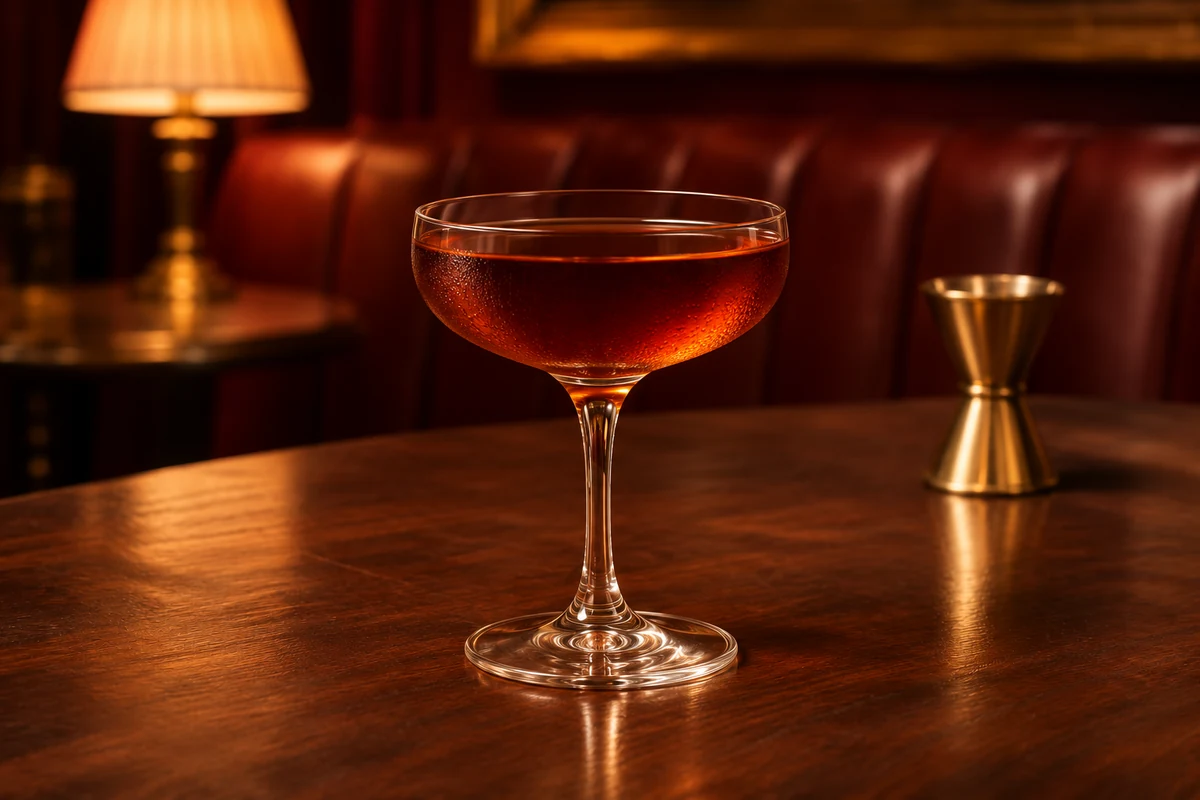
Palmetto

Equal parts dark rum and sweet vermouth with orange bitters. This modern stirred serving adapts the shaken Palmetto in the 1930 Savoy book.

Rum · Spirit-forward · Herbal

4 min1 ServingCoupe

Ingredients

Ice and water are assumed. Add everything else you have.

Palmetto · Coupe
AI-generated illustration

Method

Stir

Equipment: Jigger or measuring spoon · Mixing glass · Bar spoon · Strainer

  1. Measure the liquids into a mixing glass filled with ice.
  2. Stir for 20–30 seconds. Strain into the empty chilled glass, leaving the ice behind.

A small detail

Choose an aged rum with character and freshly opened or refrigerated vermouth.

Estimated strength

Strong

Per serving: Estimated served ABV: ≈ 22.9% · Pure alcohol: ≈ 20 g alcohol · Added water from ice: 20% · 110.4 ml estimated liquid. An estimate, not a measurement. Dilution lowers concentration but does not remove alcohol.

Check your bottle label. These typical alcohol levels can vary by brand and market. Water added as a percentage of the measured liquid before mixing. Ice melt varies with temperature, time and technique.

Plan for a party

Ready-to-pour batch

Combine, dilute and chill the batch. Finish each glass when serving.

Guests: 6

Combine, dilute and chill the batch. Finish each glass when serving.

One recipe serving per guest. Choose the amount you want to prepare.

Batch to pour: ≈ 662.4 ml · Per serving: ≈ 110.4 ml. Use a container larger than the volume shown; allow room for fruit and stirring.

Prepare the base

  • 270 ml Dark rum
  • 270 ml Sweet red vermouth
  • 12 dashes Orange bitters

Water for the batch

This starting amount replaces ice melt during mixing. Test one serving and adjust before making the whole batch. It is not a measured result.

110.4 ml added water for 6 servings.

Make one serving using the original method. Weigh the liquid before ice, then strain completely and weigh again. The gain in grams is approximately the added water in ml. Liquid left on the ice makes this an underestimate. Taste the chilled sample, repeat if needed, and enter the water amount above.

Prepare and serve

  1. Measure the base ingredients into a clean, covered container and stir to combine. Keep the quantities in the serving section separate.
  2. Stir 110.4 ml chilled water into the base. This is in addition to any water already specified in the recipe.
  3. Prepare for today’s service. Label and refrigerate the covered base; follow ingredient storage labels. Keep ice out of the container and chill the glasses before serving.
  4. Pour ≈ 110.4 ml of the chilled, diluted batch into each chilled glass. Use an external ice bath to cool the closed container further if needed. Add garnish at service; do not repeat the original full stir or shake.
  • Use the same bottle and consistent dashes. Dash sizes vary; the ml pour guide assumes about 1 ml per dash.

Pour volumes are approximate when dashes or dissolved sugar are included. Count recipe dashes consistently; measure your own bottle’s dash if you need greater accuracy.

The list saves ingredient names, not party quantities. Check the totals above against how much you have. Garnishes and ice are not added.

Bartender sources: Campari Academy: batching techniques · Dave Arnold: measuring dilution and batching · Simon Difford: water and dilution · Jeffrey Morgenthaler: batch calculator
Variations & nearby recipes

Change the idea, keep the balance. Each option has its own measures and method.

Manhattan

Related recipe

A different recipe with a useful flavour or technique connection. This is not a claim that it is a historical variation.

Leaves out
Dark rum, Orange bitters
Brings in
Rye whiskey, Angostura aromatic bitters

Use the full recipe below for the correct quantities, glass and method. This is not a one-for-one swap.

Recipe reference

Sources & inspiration

About this recipe

Recipes and house adaptations have source links. Measures, substitutions and estimated strength are explained separately. Images are AI-generated illustrations.

We do not claim every recipe has been physically tested. Community reviews are moderated user reports, separate from recipe sources.

Suggest a correction

The recipe collection